Experienced Immigration Legal Professional: Guide Your Journey to U.S. Residency With Confidence
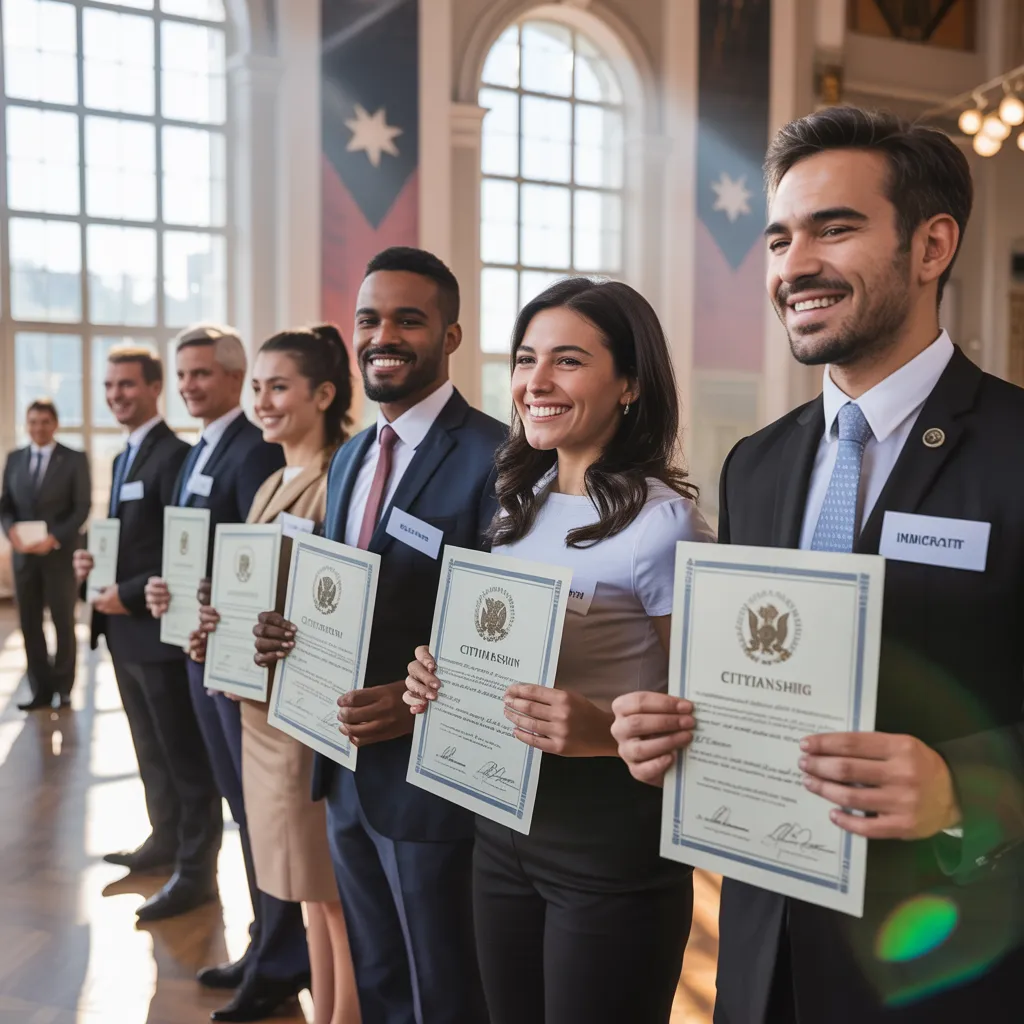
Navigating through the U.S. immigration process can be daunting. An expert immigration lawyer plays a pivotal role in easing this journey. They assess individual cases and customize strategies to address unique needs. From drafting essential documents to representing clients in hearings, their expertise is essential. Understanding the complexities of immigration law can make all the difference. Yet, many still face challenges in selecting the right representation. What key factors should one evaluate in this decision?
Understanding the Role of an Immigration Attorney
An immigration attorney serves an essential role in traversing the intricate terrain of immigration law. They provide invaluable guidance to people maneuvering through the complicated procedures related to obtaining visas, permanent residency, or citizenship. By comprehending both federal and state regulations, these legal professionals help clients avoid common pitfalls and guarantee adherence to immigration laws.
Immigration lawyers evaluate unique circumstances, customizing strategies to fulfill particular requirements. They compile and submit required paperwork, advocate for clients in hearings, and work with immigration authorities on their account. This representation is critical, particularly in cases concerning deportation or legal disputes.
In addition, immigration counselors maintain awareness of changes in laws and policies, which can profoundly impact their clients' applications. Their expertise not only eases the immigration journey but also strengthens trust in clients, helping them to focus on their new chapters in a foreign country.
Conventional Immigration Routes: Work Authorizations, Kinship Sponsorship, and Green Cards
Within the domain of immigration, various pathways exist for individuals seeking to build their lives in a different country. Work visas present job prospects, while family sponsorship options enable family reunification with dear ones. Additionally, the avenue to obtaining a copyright provides a more enduring resolution for those desiring to make their home for the long haul.
Distinct Labor Visa Types
Comprehending the different types of employment visas is crucial for individuals seeking employment prospects in another country. In the United States, several refer now categories exist, each designed for particular purposes and qualifications. The H-1B visa, for example, permits employers to temporarily employ foreign workers in specialty occupations. Conversely, the L-1 visa enables intra-company transfers for employees of multinational companies. The O-1 visa appeals to individuals with extraordinary ability in their fields, while the TN visa is specifically for Canadian and Mexican citizens under the USMCA. Additionally, the E-2 visa offers opportunities for investors and their employees. Each visa type has distinct requirements and application processes, making it vital for prospective applicants to understand their options thoroughly.
Family Patronage Alternatives
Spouses, children, and parents, who are immediate relatives, generally have preference, gaining benefits from a streamlined application process. Furthermore, family members of U.S. citizens can often bypass waiting periods, while other relatives may encounter longer timelines as a result of annual visa caps. Understanding the exact eligibility requirements and needed documents for each category is essential for favorable applications. Legal support can help work through complexities and guarantee compliance with immigration laws, ultimately facilitating family reunification
Pathway to Permanent Residency
Uncovering the route to permanent residency includes various visa alternatives, such as work visas and family-based petitions. Work-related permanent residency generally necessitate a job offer from a U.S. employer and may demand employment verification to prove no qualified U.S. workers are available. Conversely, family sponsorship permits U.S. nationals and lawful permanent residents to apply for their relatives, with preference awarded to immediate family members. Furthermore, certain humanitarian programs, such as sanctuary status or refugee status, offer pathways for securing a copyright card. Each pathway contains specific qualification requirements and procedural steps, necessitating careful consideration and frequently professional counsel. Comprehending these options enables people to traverse the intricacies of U.S. immigration law effectively.
What to Prepare For Along Your Immigration Path
Navigating the immigration process can often be a complex and challenging process. Applicants should anticipate several phases, each demanding thorough preparation and meticulous focus. Initially, applicants will collect required documents, such as identification, financial records, and proof of employment or relationships.
Once applications are submitted, people might go through a span of time, during which their cases are processed by immigration authorities. This phase can vary in duration based on the form of visa or residency sought sought.
Interviews prove to be another crucial component, where applicants must lay out their circumstances in person. During this stage, questions relating to their background, intentions, and eligibility are common.
Throughout the undertaking, candidates should keep abreast about any updates or requests from immigration bodies. Patience and diligence are essential, as the journey can present unexpected challenges. Comprehending these aspects can enable individuals chart their course with greater confidence and clarity.
Top Reasons Work With an Immigration Lawyer for Your Case
Dealing with the complexities of immigration can be overwhelming, making the support of an immigration lawyer a beneficial tool. First and foremost, immigration lawyers possess specialized knowledge of the intricate laws and regulations governing U.S. immigration. This expertise allows them to avoid potential pitfalls that applicants might overlook.
Additionally, an immigration lawyer can deliver bespoke legal counsel suited to individual conditions, ensuring that clients make informed decisions throughout the journey. They can also support the completion of essential documents, lowering the likelihood of inaccuracies that could cause setbacks or rejections.
Furthermore, legal representatives can skillfully represent clients during proceedings and meetings, advocating for their rights and interests. Their experience in dealing with government agencies can promote clearer communication and potentially expedite cases. Ultimately, hiring an immigration legal professional can boost the chances of a favorable result, providing reassurance during a challenging journey.
Finding the Right Visa Attorney for You
Choosing an ideal immigration lawyer is critical for traversing intricate legal processes. It is essential to take into account the attorney's credentials and experience, as well as their expertise in immigration law. These elements can greatly influence the result of your case and ensure strong advocacy.
Certifications and Expertise
Picking an immigration lawyer involves thorough assessment of their credentials and experience. Potential clients need to find attorneys holding a Juris Doctor (JD) degree from an accredited law school and authorized to practice in their state. Being a member of professional associations, including the American Immigration Lawyers Association (AILA), reflects a commitment to staying informed about immigration law. Experience in handling cases similar to one’s own is essential; this includes familiarity with specific visa types and processes. Moreover, favorable client reviews and a proven history of successful results can further confirm a lawyer's expertise. Ultimately, deep research into a lawyer’s background supports informed decisions within the complex immigration arena.
Focus on Immigration Law
Finding the right immigration lawyer depends largely on their particular expertise in immigration law. Immigration law is complicated and constantly changing, requiring attorneys to stay updated on regulations and policies. A lawyer skilled in immigration can provide personalized advice and strategies targeted at individual needs, whether it involves family-based visas, employment sponsorship, or asylum applications. This specialized knowledge guarantees the lawyer is familiar with nuances that could greatly affect a case's outcome. Additionally, specialized lawyers often have longstanding relationships with immigration officials, strengthening communication and effectiveness. Clients should seek attorneys with a proven track record in their specific area of need, ensuring they receive expert guidance and effective representation throughout the immigration process. This concentrated strategy is essential for maneuvering the often difficult U.S. immigration landscape.
Building Your Confidence: Questions You Should Raise to Your Immigration Lawyer?
How can persons verify they are properly equipped for consultations with their immigration lawyer? One viable plan is to compile a inventory of pertinent questions that focus on their unique circumstances. Key inquiries might include: "What are my routes for obtaining residency?" and "What potential challenges should I prepare for in my case?" Clients should also ask about the lawyer's experience with similar cases and the estimated timeline for their application process.
Additionally, it is crucial to grasp the costs involved. Questions such as, "What are your rates, and are there any additional costs I should be aware of?" can shed light on financial expectations. Clients should also inquire about dialogue preferences, such as how often they can expect communication and the best ways to get in touch with their lawyer. By asking these questions, parties equip themselves with knowledge, making sure a more constructive collaboration with their immigration lawyer.
Frequently Asked FAQs
What is the standard duration for the copyright procedure?
Immigration procedures generally take multiple months or even years, determined by the visa category, your individual situation, and the time needed for processing. Considerations like how complete your application is and background verification can significantly shape the total timeframe.
What Are the Costs Related to Hiring an Immigration Lawyer?
The expenses connected to engaging an immigration attorney typically fall between $100 to $500 per hour, depending on experience level and geographic area. Extra charges may comprise application costs, submission fees, and potential deposits for comprehensive services.
Is it Possible to File for Legal Residency Without Legal Assistance?
Yes, applicants can apply for residency without a lawyer. However, navigating the intricate legal requirements and maintaining correct documentation may prove problematic, increasing the likelihood of delays or denials in the application process.
What Happens if My Submission Is Denied?
If an request is rejected, the applicant gets a notice outlining the grounds. They may challenge the decision or reapply, addressing the issues identified. Obtaining attorney counsel can assist in explaining options and enhance upcoming applications.
Do Any Travel Restrictions Apply During the Application Process?
Travel guidelines during the application timeline vary based on case-by-case situations. Applicants should generally avoid international travel, as traveling outside the United States may complicate their status and impact their pending application for residency.